Juan Bautista Calero in the MEDIPIE biomechanics assessment room
Our evolution

More than two decades building our own way of working

MEDIPIE has evolved through training, clinical experience, in-house fabrication and follow-up, developing a method focused on understanding before treating.

Clinical evolution

Professional experience began in 2003. Specialisation developed step by step.

Professional practice began in 2003 with a broader podiatry focus. Over time, the clinic increasingly centred on problems that required a better understanding of how a person loads the foot, walks, moves and responds to treatment.

Clinical biomechanics and orthopodiatry gradually became central. Specific postgraduate training introduced new tools, but also made one point increasingly clear: a measurement or footprint alone was not enough. Symptoms, examination, gait, footwear, activity, materials and clinical progress all needed to be considered together.

This was not a single change. It has been a continuous process of studying, applying, reviewing cases and their progress, and changing the way we work whenever experience showed that a better approach was needed.

Juan Bautista Calero working in the MEDIPIE workshop
2003

Beginning of professional practice

Clinical work in podiatry begins and MEDIPIE progressively develops.

2006

Orthopodiatry and biomechanics

Master's degree in Orthopodiatry and Biomechanics at the Autonomous University of Barcelona.

2018

Sports podiatry

Master's degree in Sports Podiatry at the Catholic University of Valencia.

2022

Paediatric podiatry

Specific master's-level training in Paediatric Podiatry to broaden the approach during growth.

Today

MEDIPIE Method

Biomechanics, orthopodiatry, in-house fabrication, clinical fitting and follow-up integrated into one process.

MEDIPIE in-house custom orthosis workshop
A turning point

When relying on external manufacturers was no longer enough

At one stage in the clinic's development, foot orthoses were commissioned from external manufacturers. This allowed many patients to be treated, but it limited direct control over aspects that became increasingly important to us: geometry, materials, stiffness, volume, offloading, finishing and the ability to modify an orthosis after trying it with the patient.

The response was to train further and progressively bring fabrication into the clinical process. The aim was not to make orthoses routinely, but to make better decisions and finer adjustments when an orthosis was indicated.

  • The clinician who assesses the case also contributes to the design.
  • Materials and stiffness are chosen according to the clinical aim and footwear.
  • Fitting does not end at delivery: tolerance and progress are reviewed.
Since 2003Continuous professional experience in podiatry and biomechanics.
In-house fabricationDesign, fabrication, fitting and adjustment within the clinical process.
Follow-upProgress and tolerance guide whether treatment should be maintained, adapted or reviewed.
MEDIPIE Method

Experience eventually became a method of our own

The MEDIPIE Method did not come from one technology or a fixed protocol. It has been built through years of clinical practice, postgraduate training, case review, in-house fabrication and follow-up of clinical progress.

The central idea is simple: before deciding on treatment, the problem needs to be understood in context. And when a foot orthosis is indicated, personalisation does not end with taking a measurement; it continues through design, materials, fabrication, fitting to the foot and footwear, and subsequent review.

1

Listen and examine

Reason for consultation, history, mobility, activity and goals.

2

Analyse in context

Loading, gait, movement, footwear and biomechanical data when they add useful information.

3

Decide

Not every case needs an orthosis. Indications are considered only after the whole picture is assessed.

4

Design and fabricate

When appropriate, we define geometry, materials, stiffness and treatment objectives.

5

Fit and follow up

We review tolerance, real-world use and progress, adjusting when necessary.

Areas of experience

Specialisation has grown with the clinical needs we have encountered

The clinic is not organised as a collection of unrelated services. These areas share the same base: functional assessment, biomechanical reasoning and individual treatment when indicated.

Biomechanical movement analysis at MEDIPIE

Clinical biomechanics

Assessment of loading, gait and movement in relation to symptoms, activity and functional goals.

Biomechanical assessment
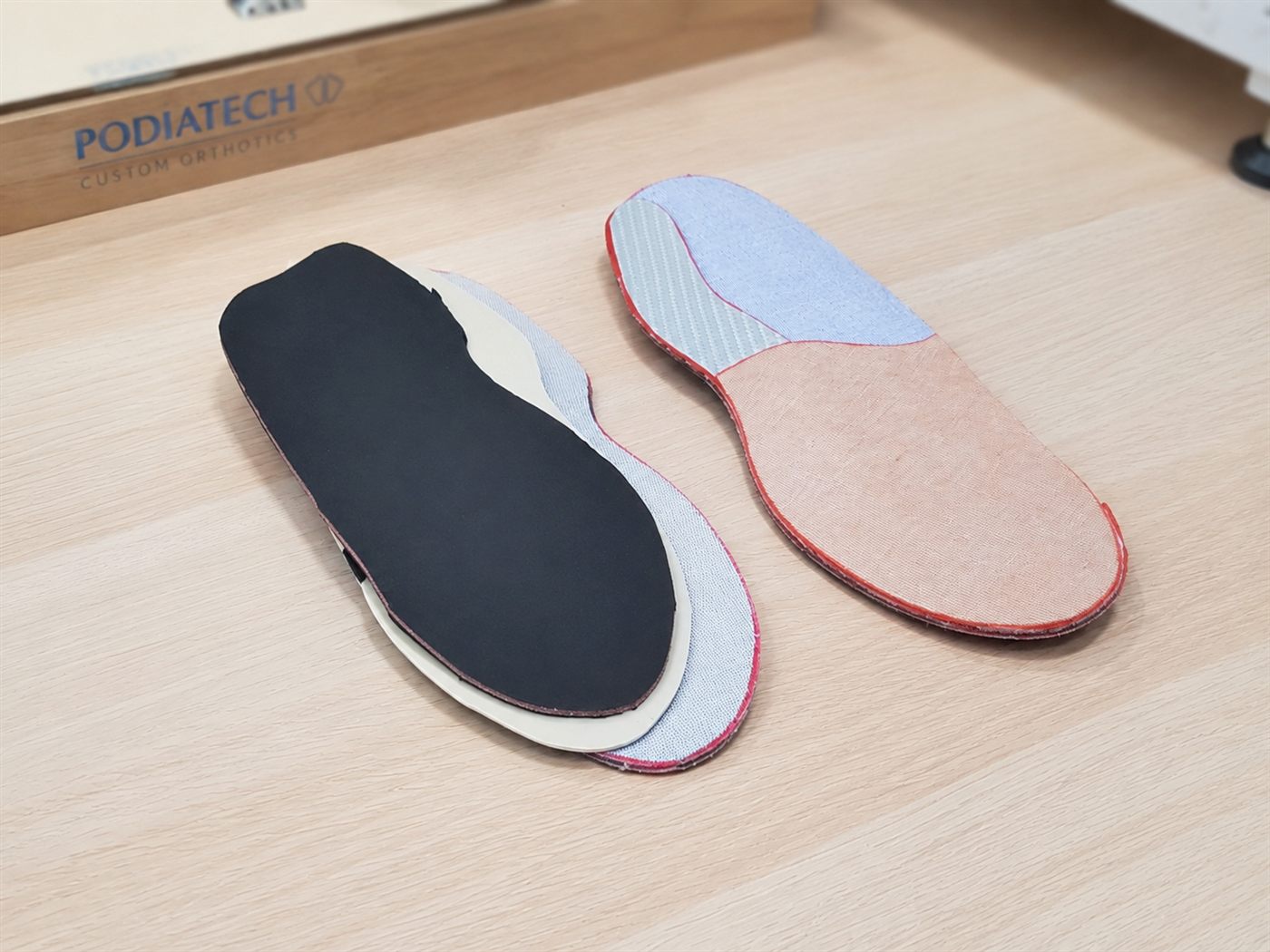
Custom foot orthoses fabricated at MEDIPIE

Orthopodiatry

Design, in-house fabrication, fitting and follow-up of custom foot orthoses when clinically indicated.

Custom orthoses
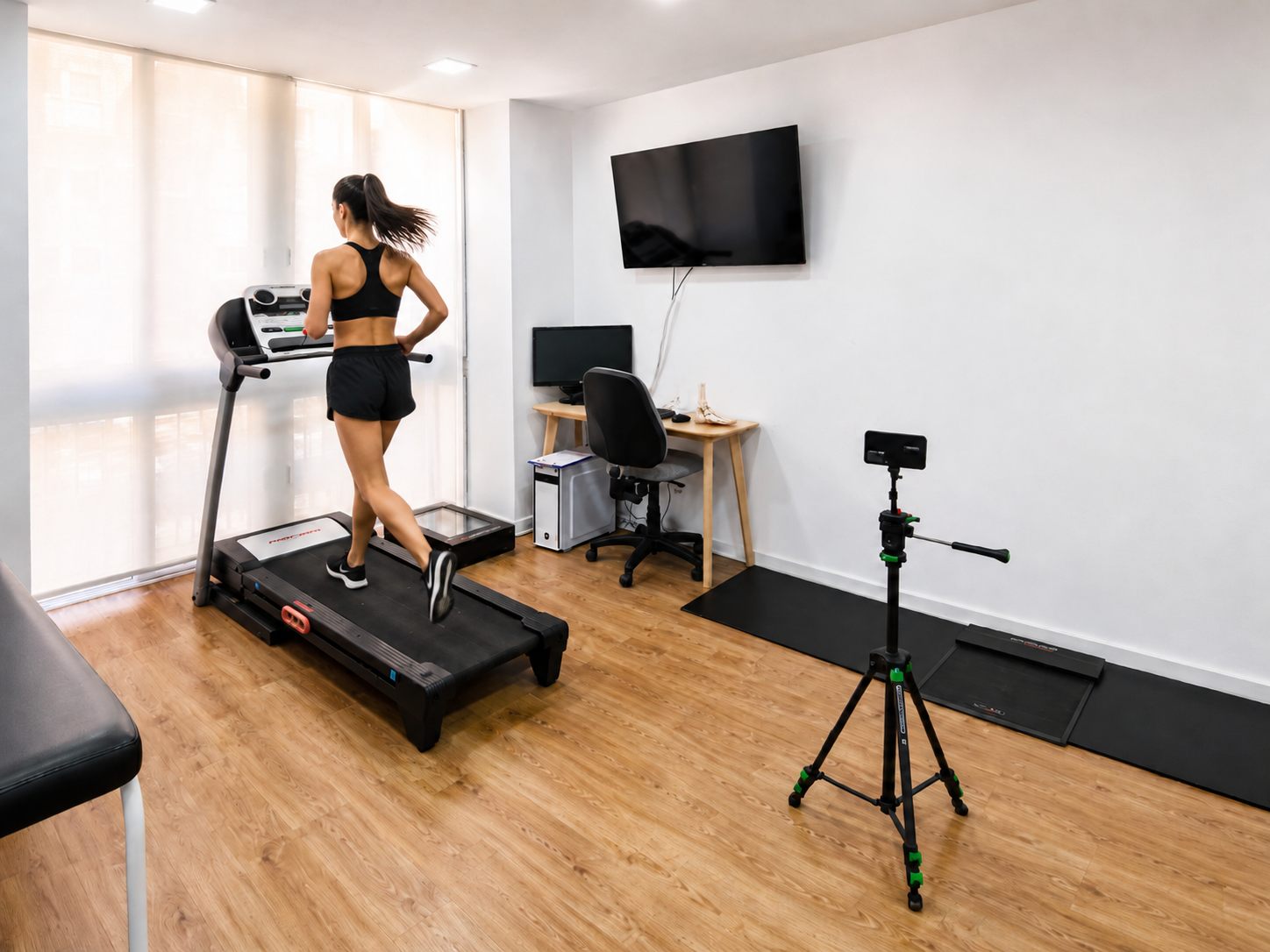
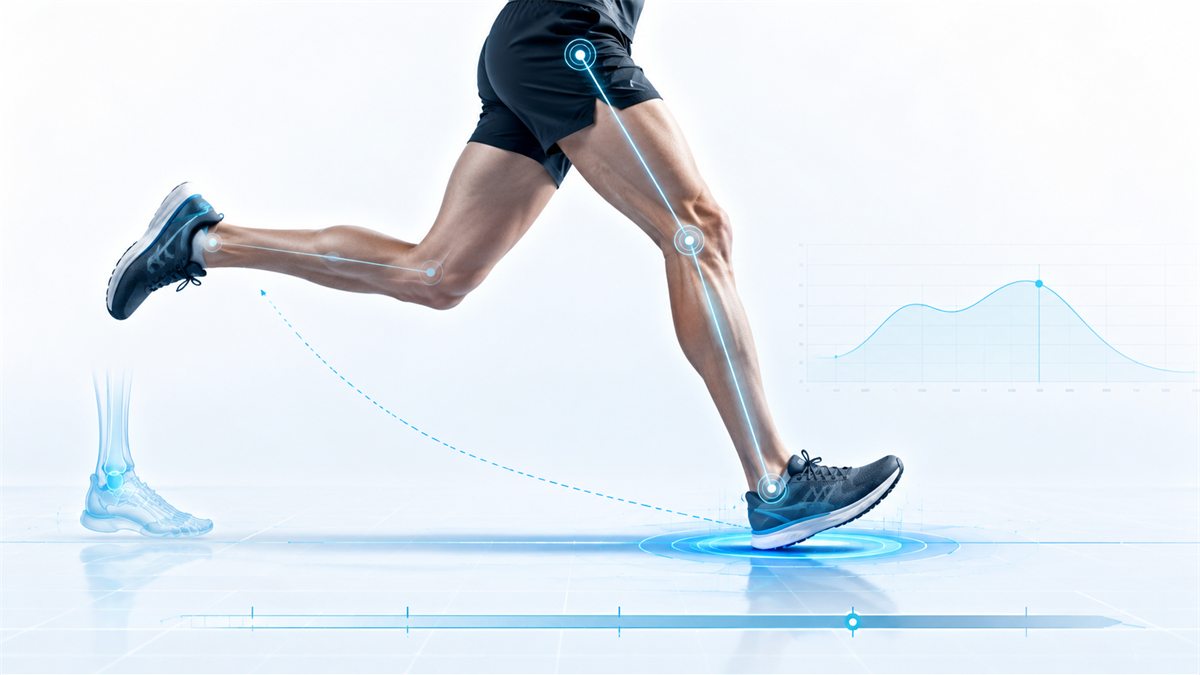
Biomechanical assessment for runners

Sports podiatry

Assessment of load, movement, footwear, training and tolerance for runners and active people.

Running biomechanics
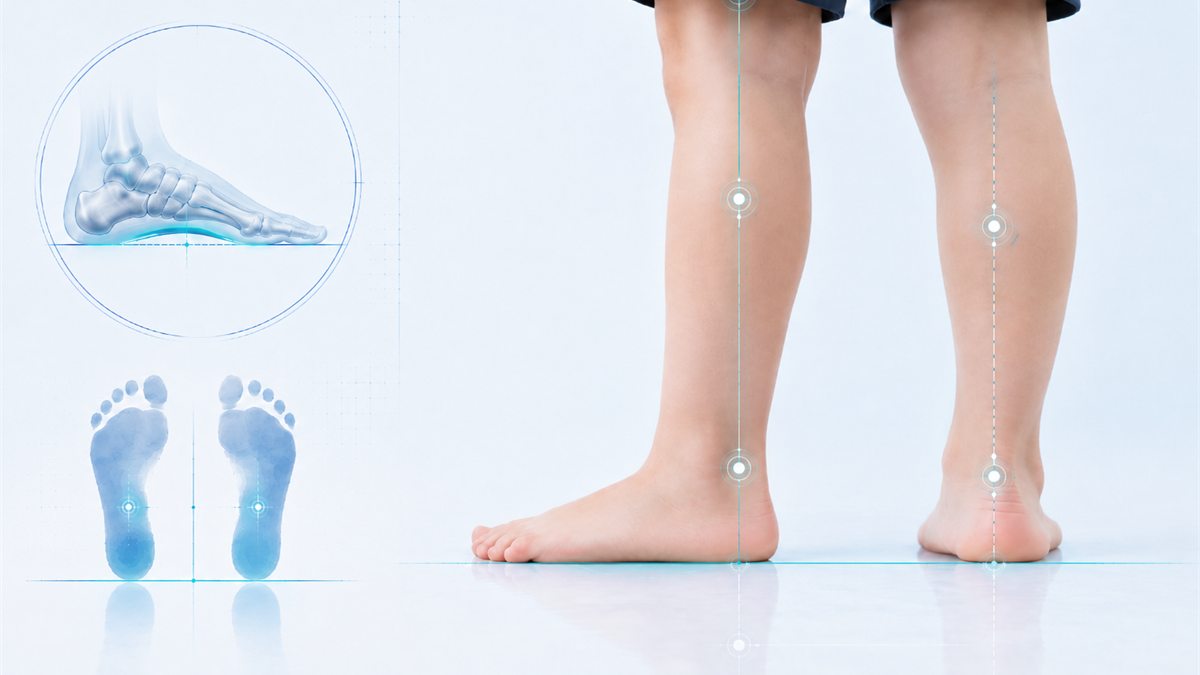
Biomechanical assessment of a child's foot

Paediatric podiatry

Assessment of development, gait and foot loading with a cautious approach: not every child with flat feet needs treatment.

Children's feet
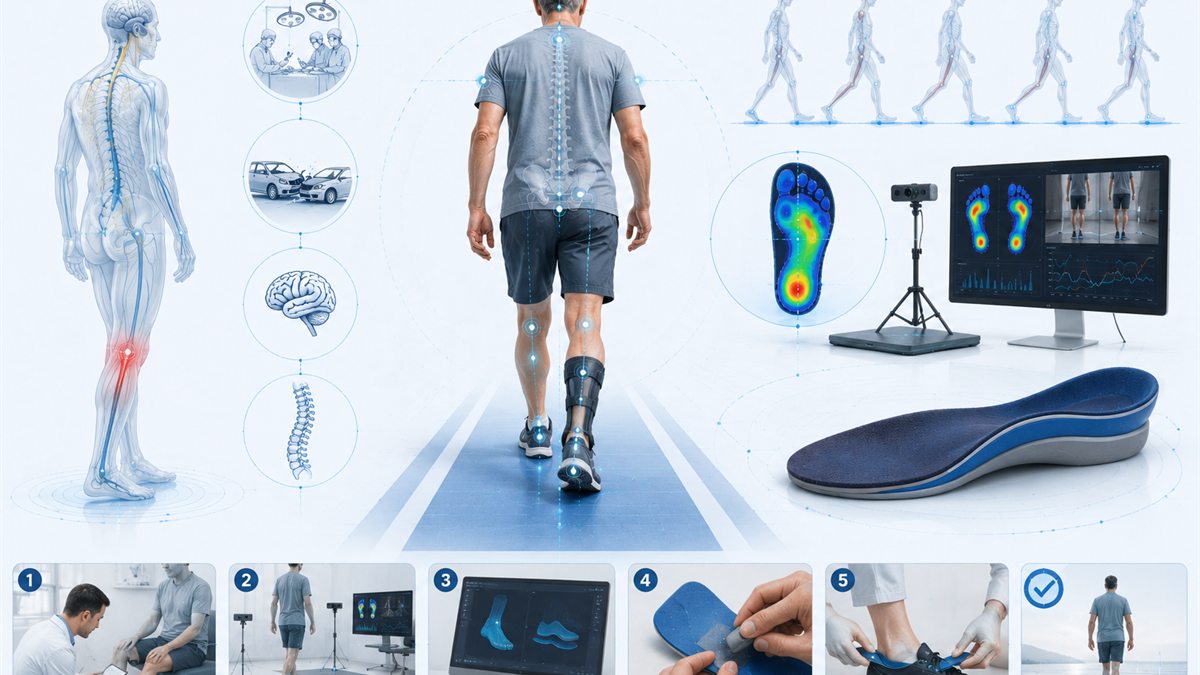
Assessment of a complex biomechanical case

Complex cases

After-effects, surgery, trauma, asymmetry or previous treatment that requires more information before deciding what to do next.

Complex cases
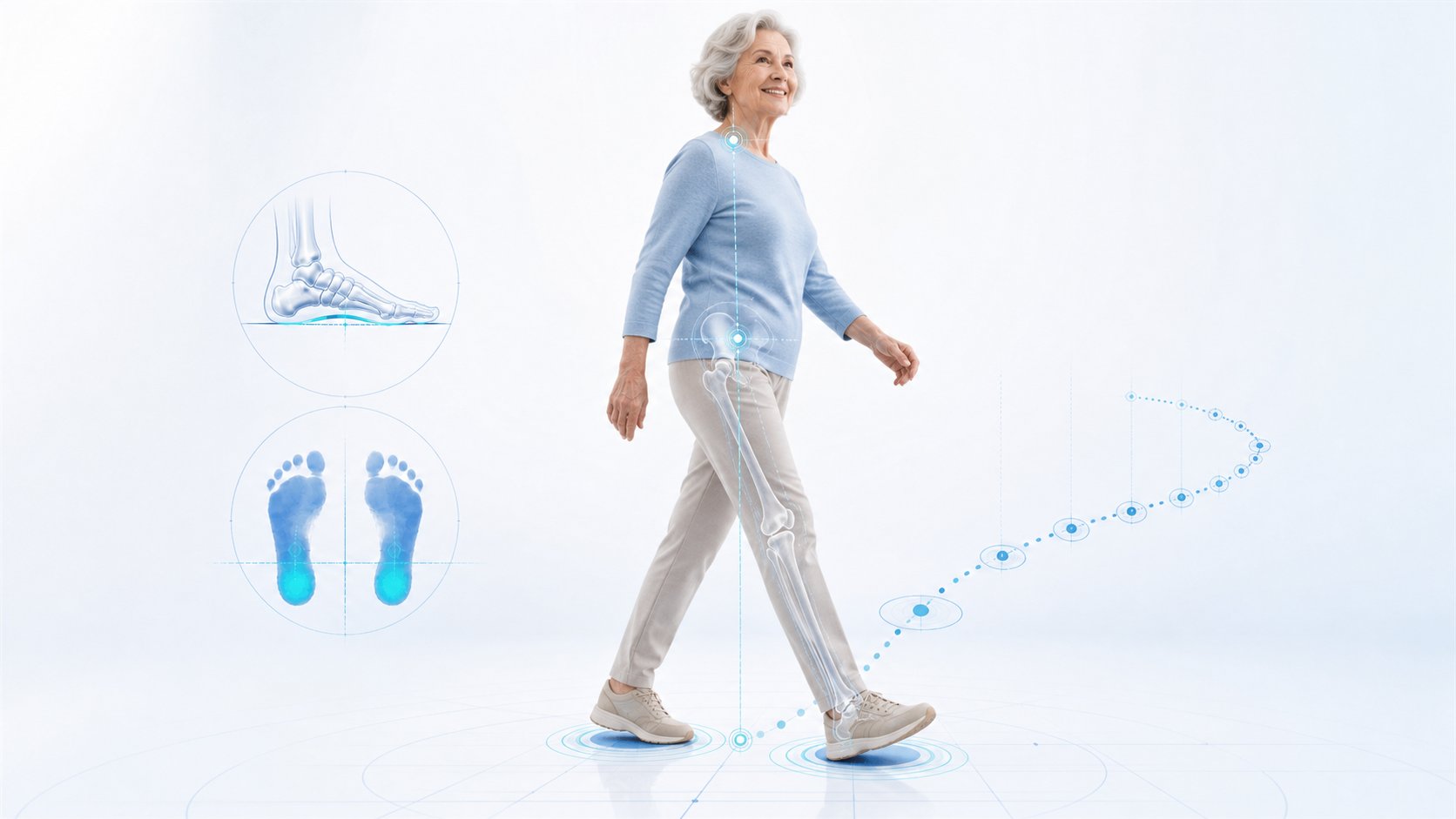
Older adult walking with references to balance and support

Older people and instability

Support, functional balance, comfort and walking confidence adapted to the person's everyday needs.

Older adults and balance
Juan Bautista Calero during clinical fitting of a foot orthosis at MEDIPIE
Clinical lead

Juan Bautista Calero Márquez

Qualified in Podiatry at the European University of Madrid in 2002, with professional experience since 2003. His postgraduate training and clinical practice have progressively focused on clinical biomechanics, orthopodiatry, and the design and follow-up of personalised treatments.

  • 2006 · UAB
    Master's degree in Orthopodiatry and Biomechanics.
  • 2018 · UCV
    Master's degree in Sports Podiatry.
  • 2022
    Master's degree in Paediatric Podiatry.
  • Professional registration
    Murcia no. 115 · Madrid no. 1913.
Contribution to an institutional healthcare publication

Juan Bautista Calero is a co-author of the chapter “Early detection of musculoskeletal pathology” in the Child and Adolescent Care Programme (PANA), published by MurciaSalud.

View the publication on MurciaSalud

Authorisation for manufacture of custom-made medical devices MU-092-PS · Healthcare registration 20500127

Appointments by phone

Tell us briefly about your case

A member of the team can help explain the most appropriate type of first visit and help you book by phone.